
Ask a bride from Pune, Garhwal, Jaipur or Chennai what her nath looks like and you will hear four different answers. But ask what it means to her and you will hear one: family.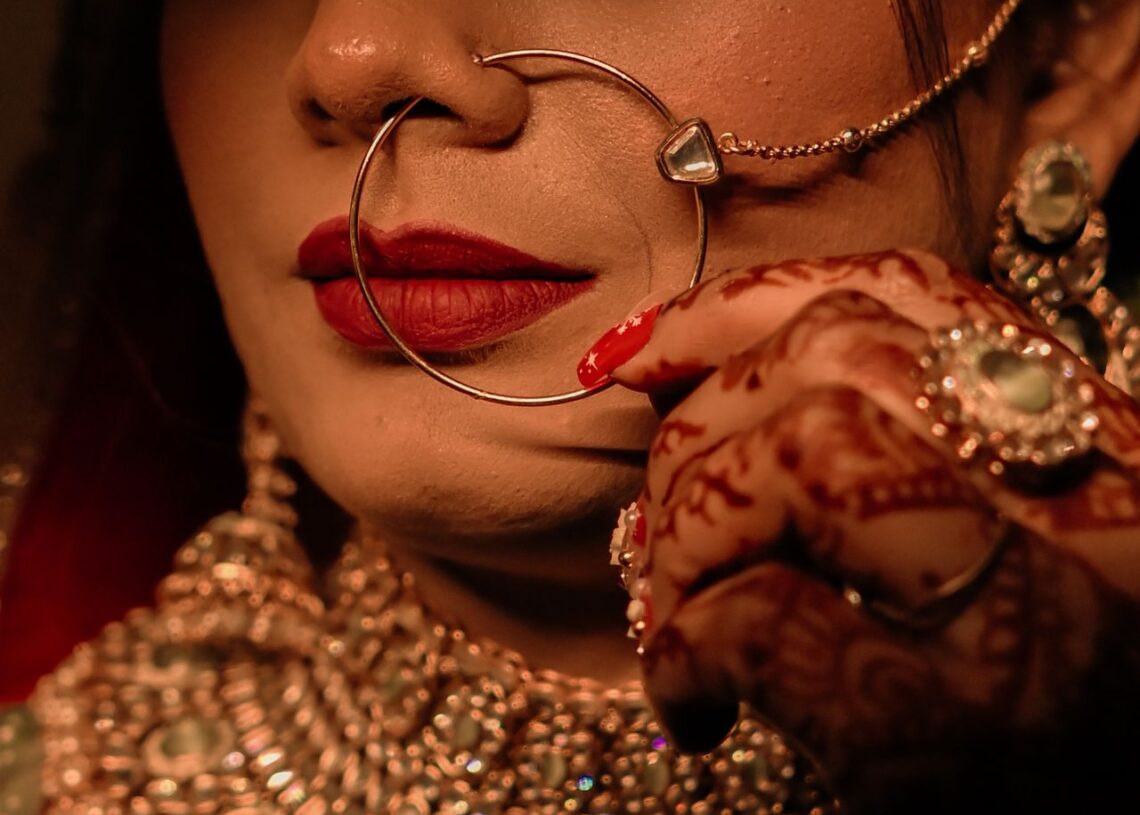
The nath is a nose ring, but in an Indian wedding it rarely stays only jewellery. For example, it may be a gift from an uncle, a piece her grandmother wore, or the thing that made her mother cry at the mirror. Here is how it shows up across the country.
What they all share
Across communities, families link the nath to Goddess Parvati, the divine wife of Shiva and the model of a devoted marriage. A bride who wears one honours her and asks for her blessings. The nath also belongs to the solah shringar, the sixteen adornments of a bride, and in many families it marks married status. The shape, size and stones change with the region, but the feeling stays the same.
Maharashtra: The Pearl Crescent
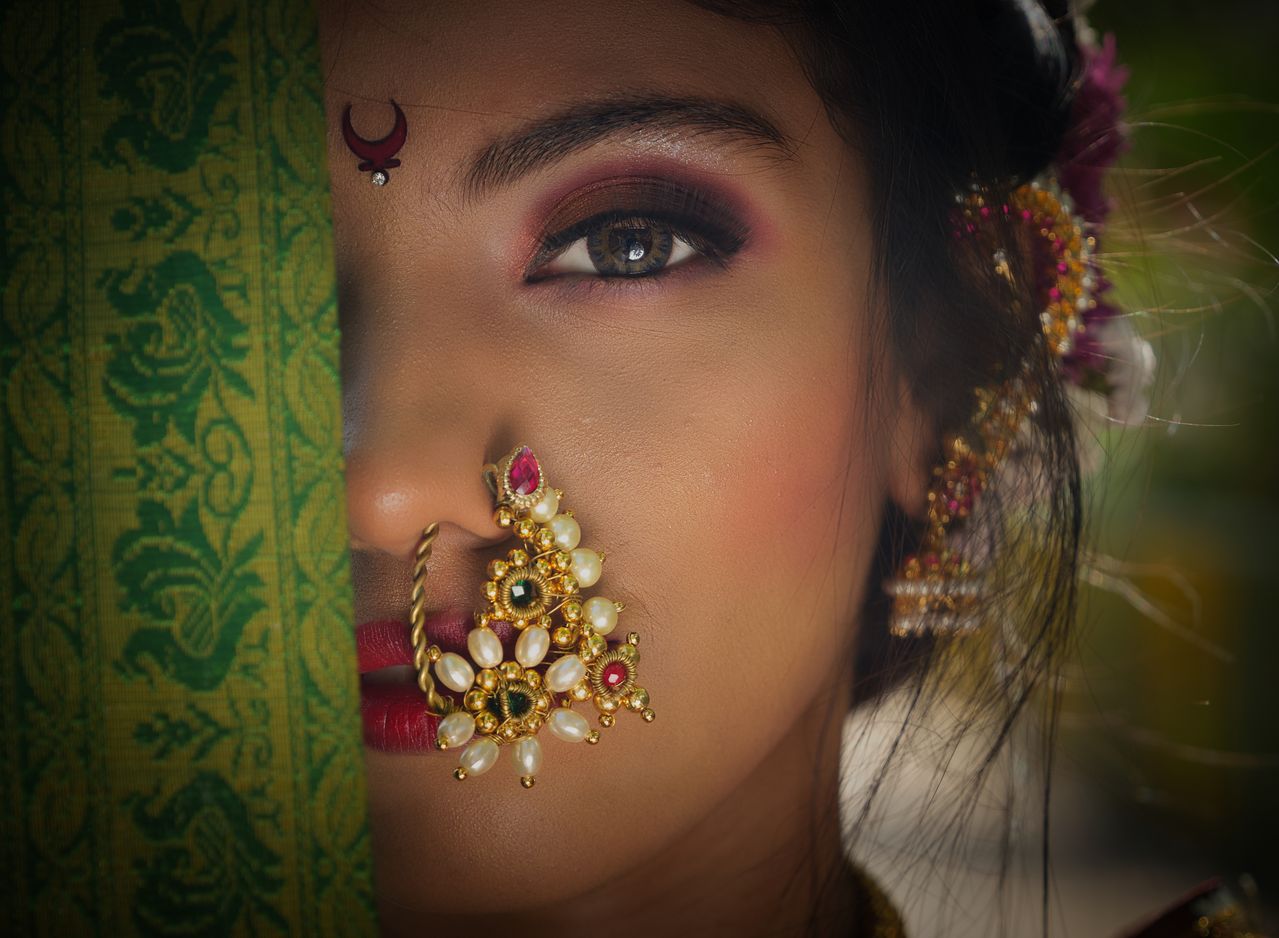
The Maharashtrian nath is a crescent covered in pearls, usually with a single pink or red stone at its centre. Families speak of Peshwai, Brahmani and Kolhapuri styles, each with its own detailing. Families consider pearls auspicious, so many treat the nath as an heirloom. They pass it down and wear it again at festivals long after the wedding. In addition to the nath, the bride wears the mundavalya, the strings of pearls across the forehead, and the groom wears one too, as a sign of togetherness.
Uttarakhand: The Tehri Nath
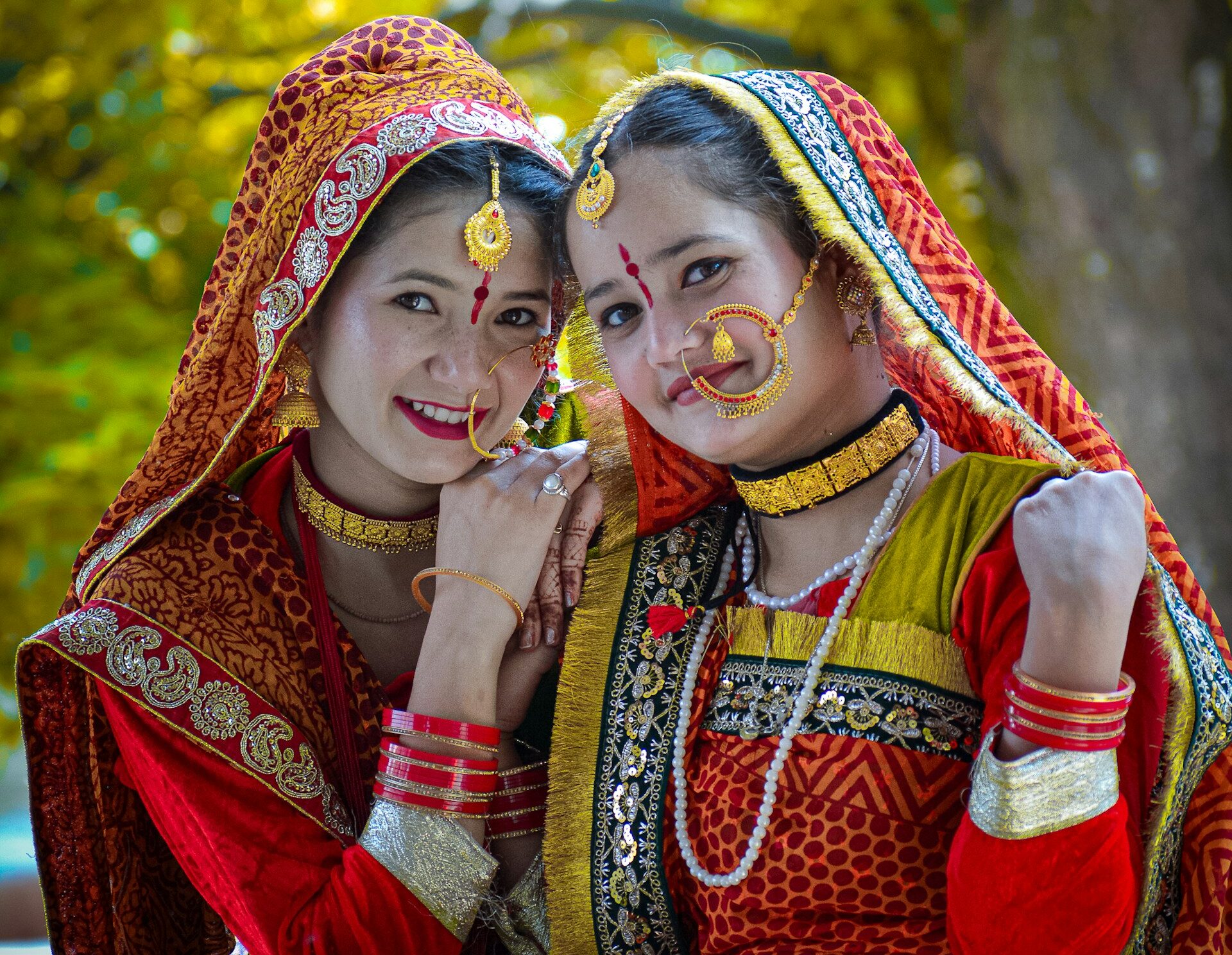
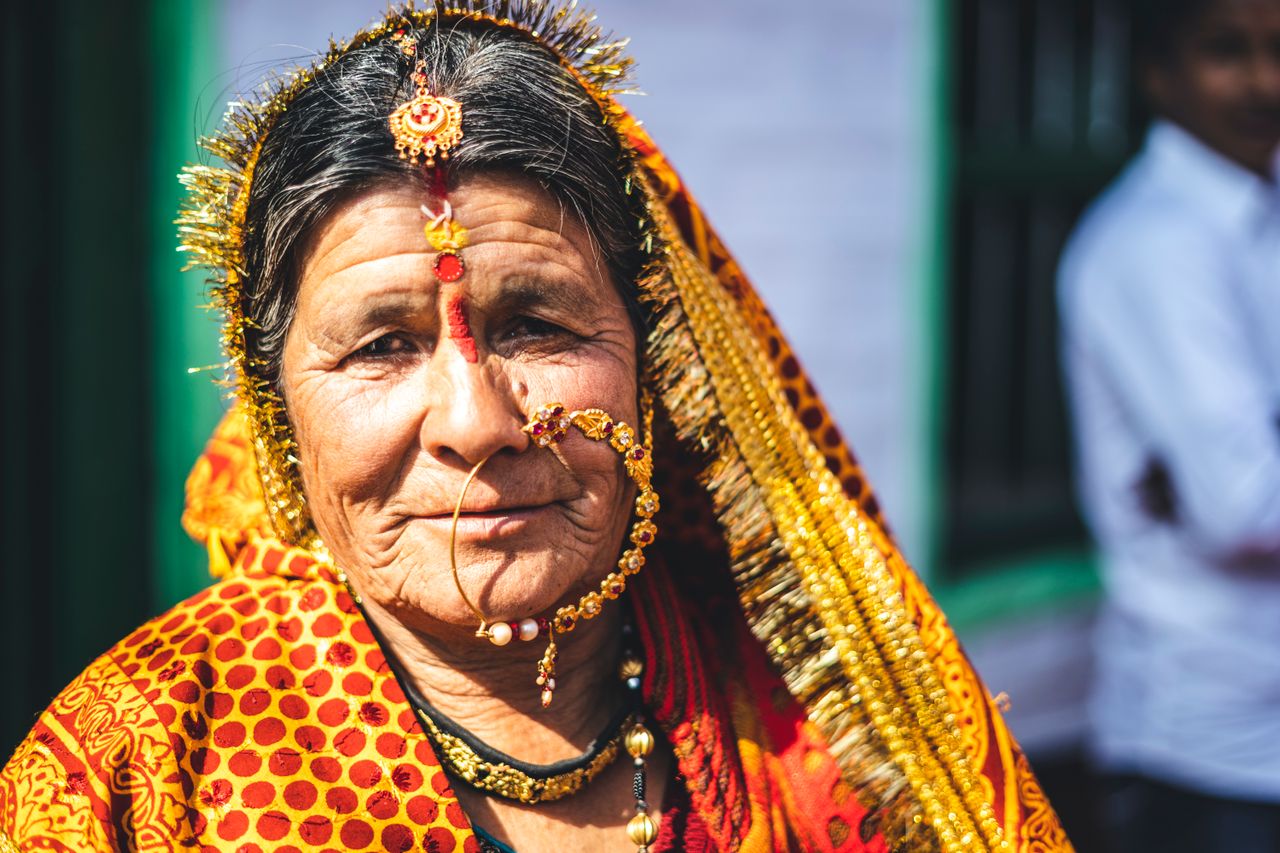
In Garhwal, people call it the nathuli, and the Tehri nath is the signature ornament of a Pahadi bride: a large gold ring in a crescent moon shape, with pearls and sometimes rubies, and a chain to the ear or hair. By tradition, the bride’s maternal uncle gives it to her on the wedding day, but some families say the groom’s side gives it instead. Because the uncle gives it, the gift says as much about the bond as the jewellery does. In older times, for instance, the number of pearls reflected the family’s standing.
Punjab: The Shikarpuri Nath
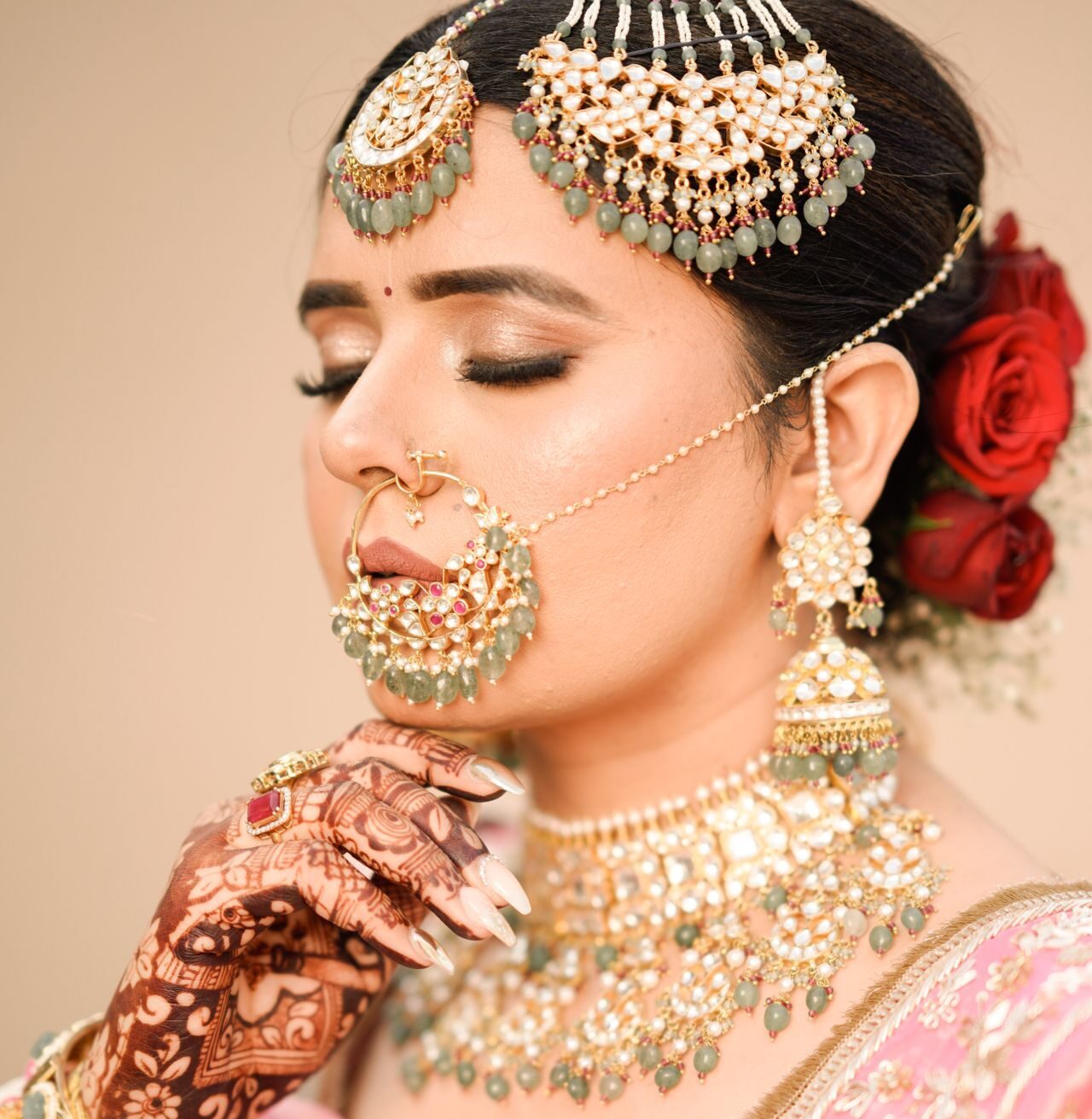
Because the Punjabi bridal look is bold, the nath is bold too: big, round and richly decorated. Many people name the Shikarpuri style as the most popular bridal nose ring in the north. For many families, it also works as a gift that marks the start of married life, a token of luck and love for the newlywed.
Rajasthan: kundan and colour
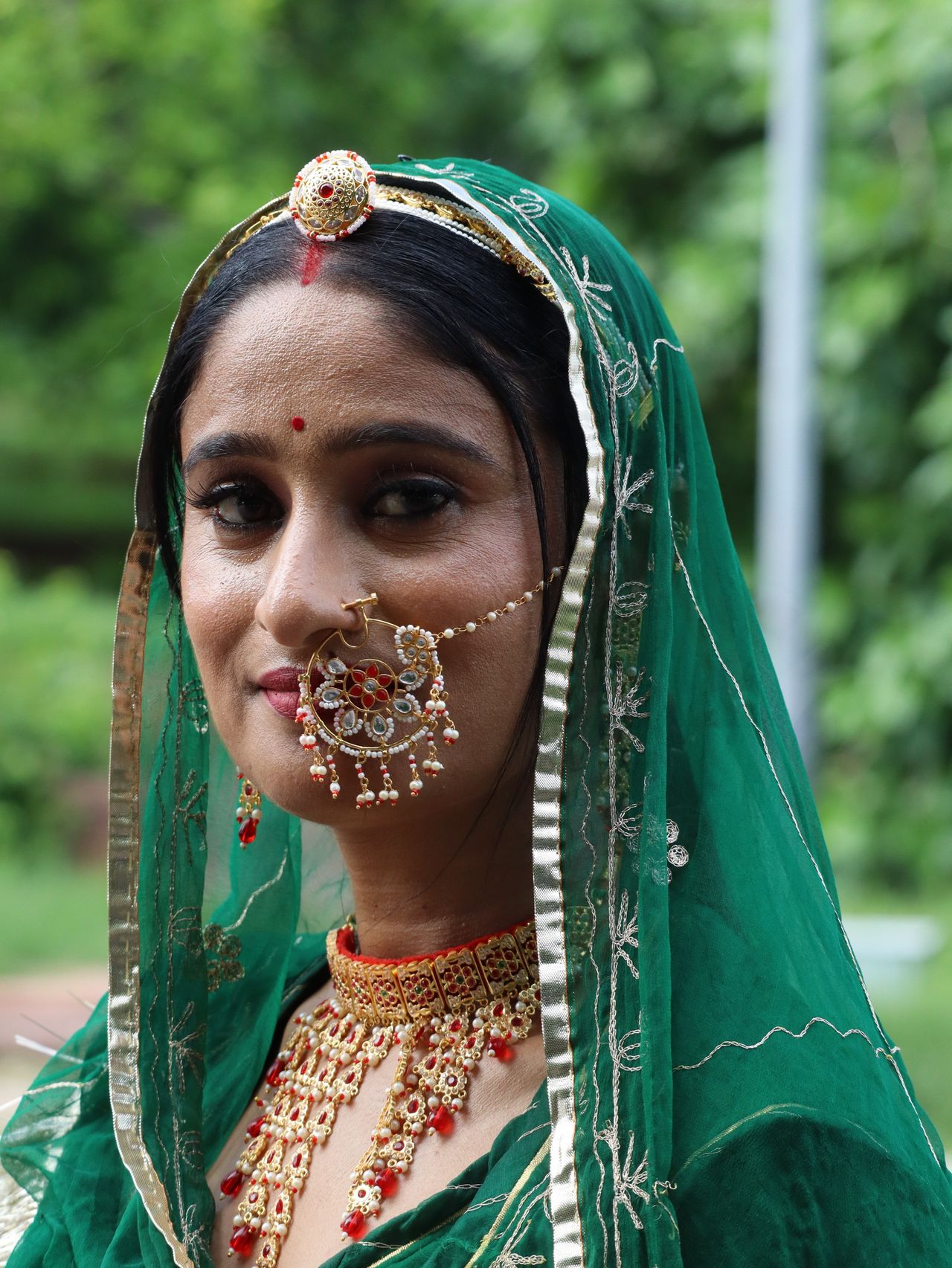 Rajasthani naths are large and detailed, and most come with a chain to the hair or ear. Jewellers often set them in kundan, while lotus and peacock motifs appear on many designs. Many also carry enamel work on the reverse, so colour flashes whenever the bride turns her head.
Bengal: Gold and a drape of chain
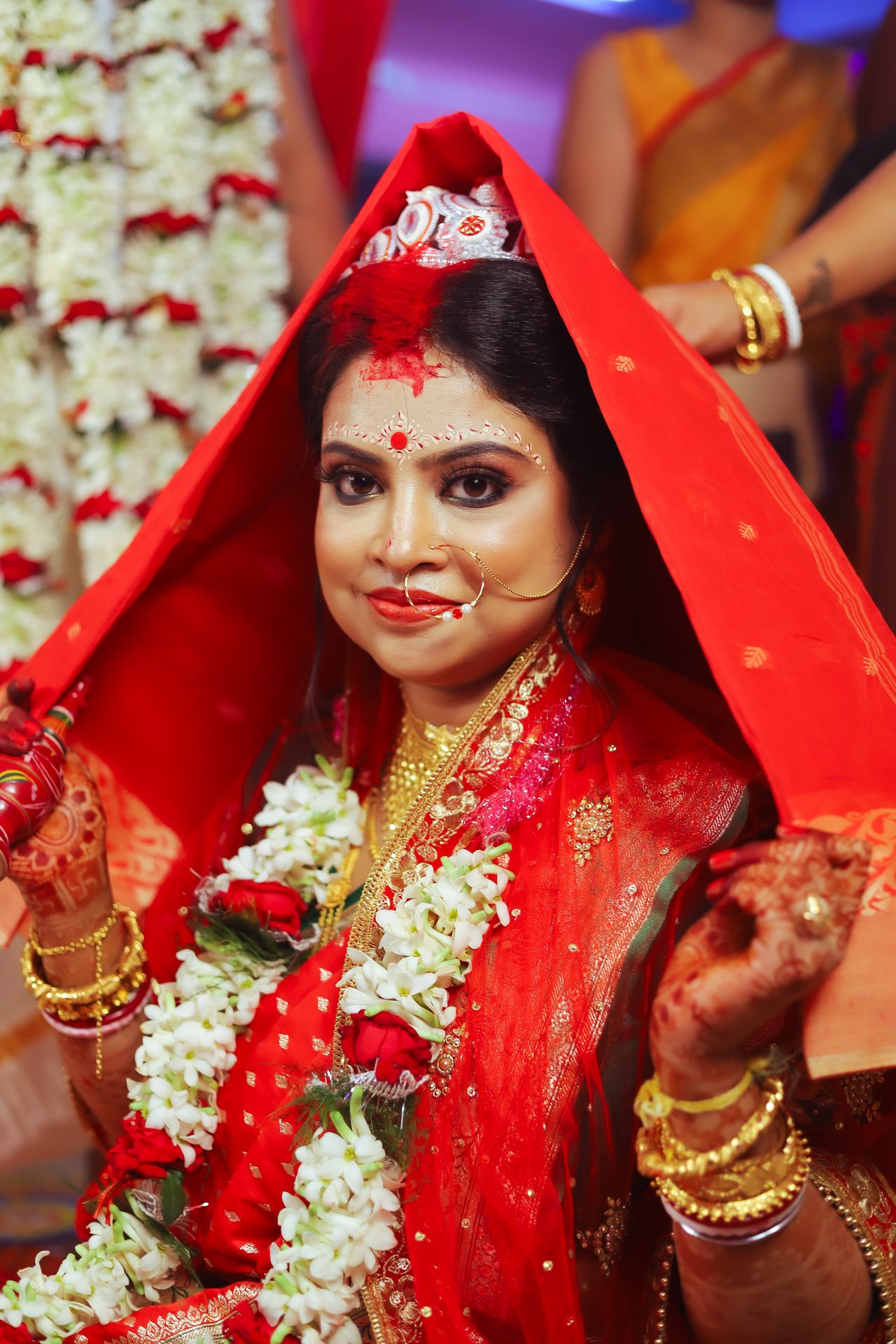
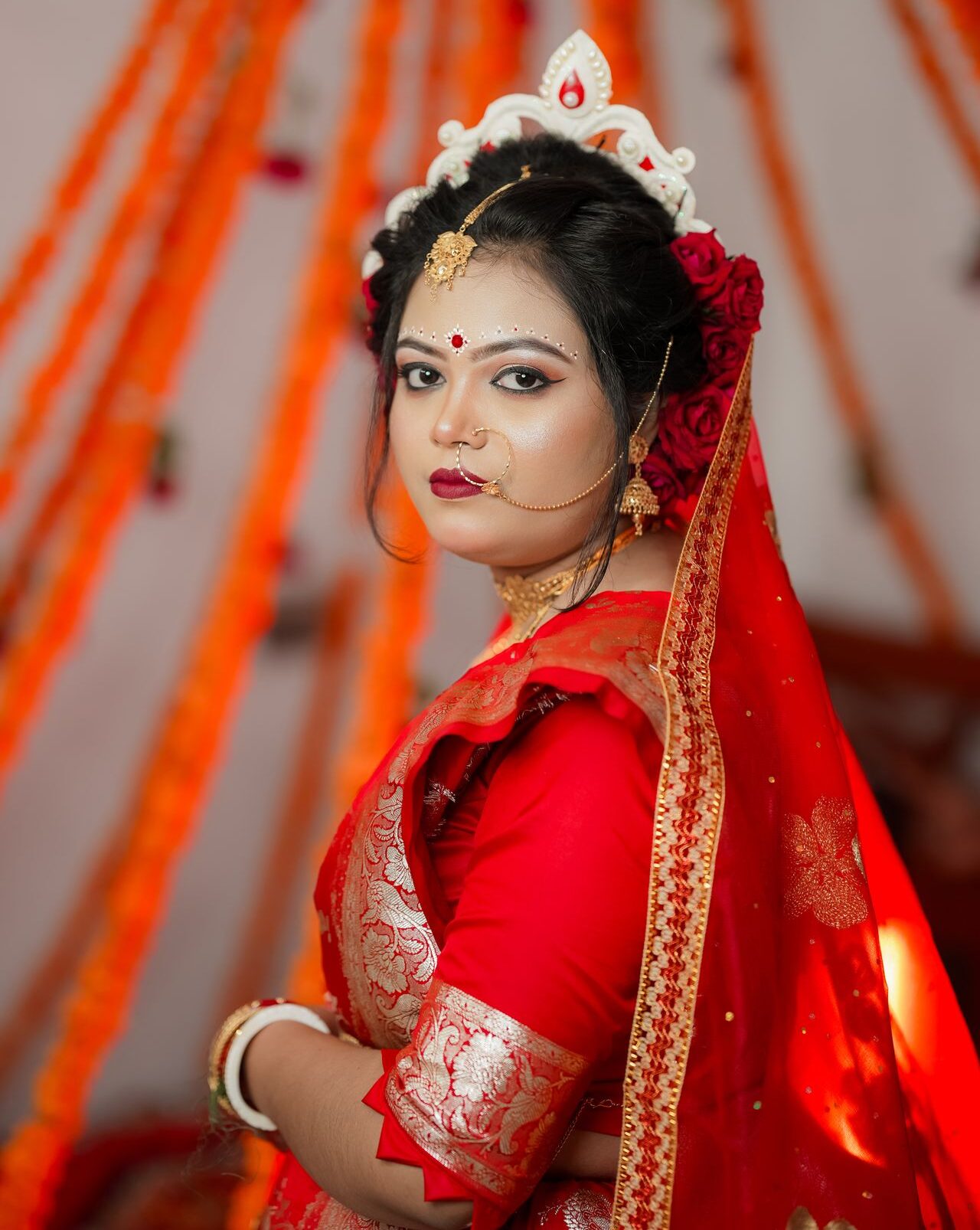
Many Bengalis call the nath a nolok. It is typically a gold ring, sometimes with a pearl or stone, and a chain that drapes to the hair. It also suits the white-and-gold palette of a Bengali wedding and the red of the bridal look.
South India: The Mookuthi
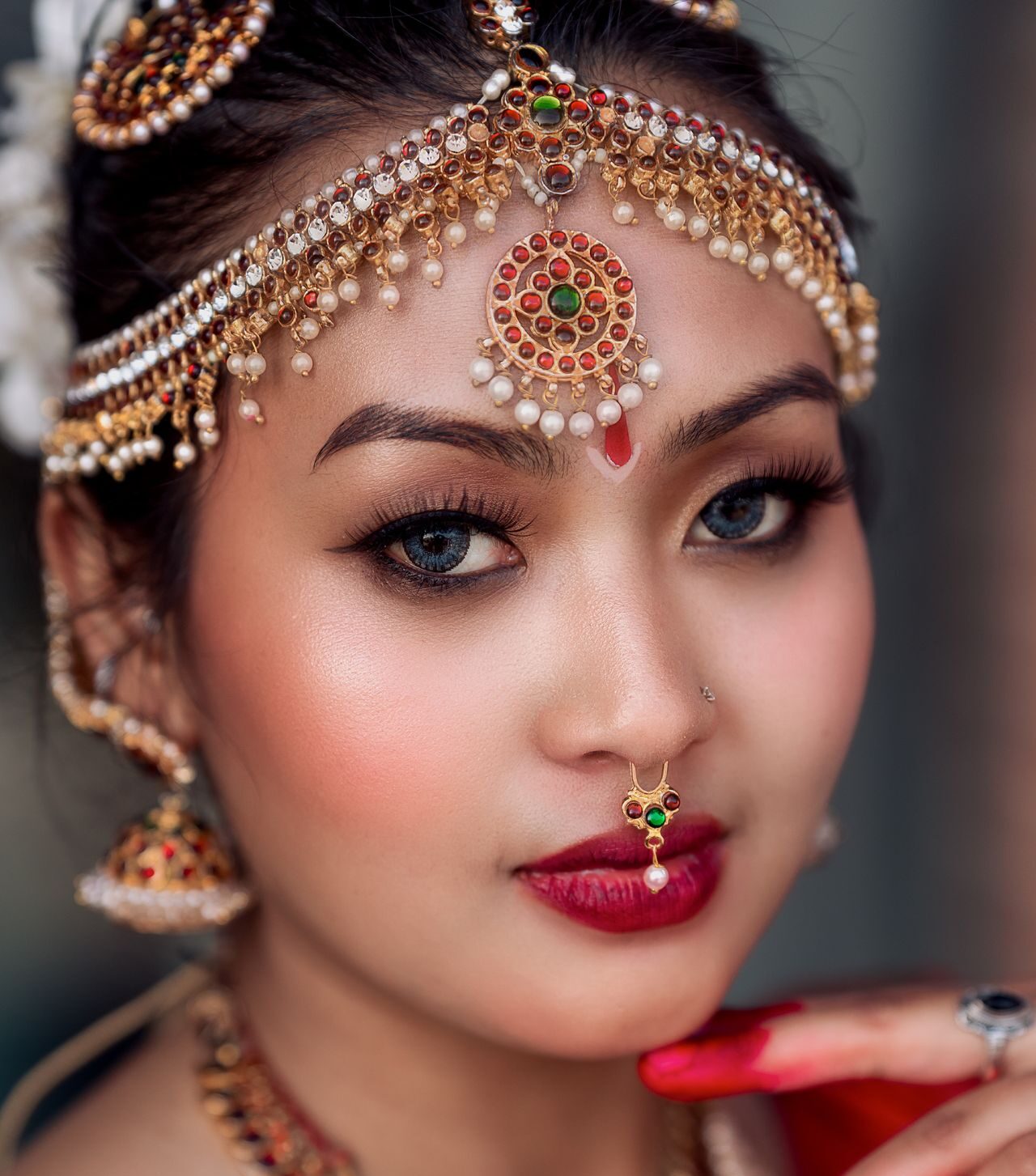
Smaller and more restrained, the South Indian nose ornament is a stud, the mookuthi, or a pendant that hangs from the septum. However, in many communities, a bride without a nose ornament would feel her look was incomplete, and some compare its importance to that of the mangalsutra in other traditions.
Carried forward
Many families keep the nath alive in new ways. Some, for example, bring out the old piece. Others instead commission a new one that echoes the old design, with a gemstone or initial added. What does not change is what the ring stands for: a mother’s blessing, an uncle’s gift, a family’s name.