
 Tucked away in the mountainous embrace of Northern Thailand, Chiang Mai offers a completely different rhythm — quieter, cooler, greener and deeply soulful. It is Thailand’s charming hill escape, where misty mountains, winding roads, ancient temples, tribal cultures, wellness experiences and flavourful cuisine come together to create a destination that feels both refreshing and intimate.
Shreya Shimpi
Chiang Mai is the largest city in northern Thailand’s mountainous region and presents an enchanting bouquet of experiences for every kind of traveller. From verdant landscapes and picturesque drives to majestic temples, warm hospitality and rejuvenating spa therapies, it is a destination that beautifully blends nature, culture and comfort. Relatively unexplored by many Indian tourists, Chiang Mai has all the makings of a rejuvenating hill station, with the added appeal of Thai grace and hospitality.
The journey through this region unfolds like a postcard. The road to Pai is an adventure in itself, with nearly 4,000 sharp hairpin bends opening up to enthralling valley views. Pai charms visitors with its relaxed pace, scenic beauty and cultural warmth. A sunrise at the Yun Lai viewpoint in Ban Santichon is an ethereal experience, while the Boon Kho Ku Sui Bamboo Bridge offers a peaceful walk-through emerald paddy fields. At a Shan village, visitors can engage with Tai-Yai culture through hands-on activities such as broom-making. A farm-to-table experience at Aunt Phit’s Garden adds another beautiful layer, allowing travellers to pick fresh vegetables and enjoy them as part of a delicious local meal.
The region’s natural wonders continue at the Lod Caves, among the largest caves in Northern Thailand. With handheld lanterns and local female guides, the caves reveal striking formations of stalactites and stalagmites, creating an atmosphere of quiet mystery. En route, Doi Kiew Lom Viewpoint rewards travellers with captivating views of the valley.
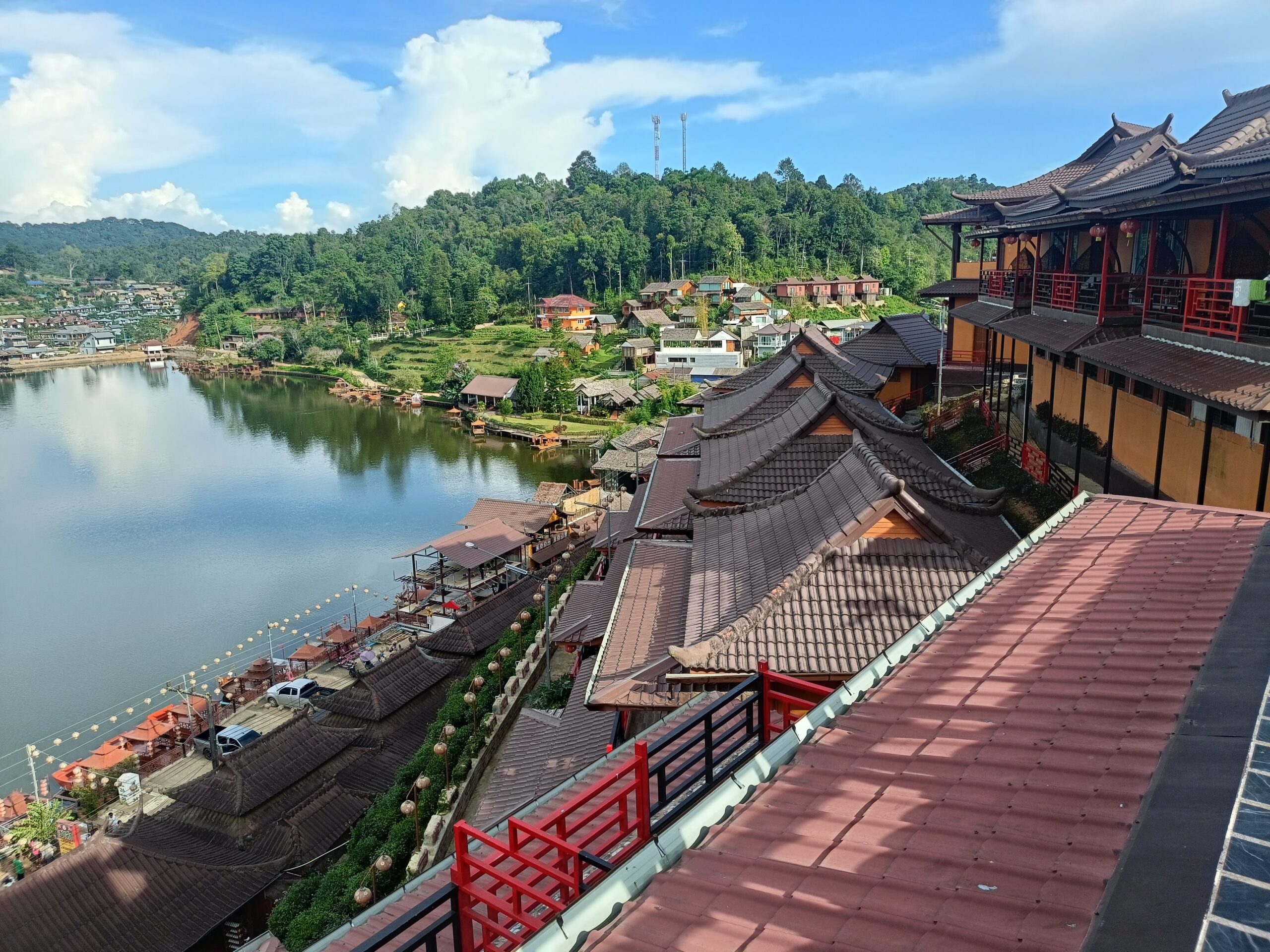
Cultural immersion is one of Chiang Mai’s strongest appeals. At Ban Jabo, a Black Lahu village, visitors can experience traditional music, bamboo weaving and local attire, offering an authentic glimpse into the ethnic tapestry of the region. Ban Rak Thai, a quaint Chinese village by the lake, adds another unique dimension to the journey. A calm Chinese boat paddle ride here, surrounded by still waters and mountain air, makes for a memorable morning.
Mae Hong Son brings with it a sense of serenity. The temples by the lake at Wat Jong Kum and Wat Jong Klang are known for their peaceful setting and wooden craft dolls brought from Myanmar. The hilltop temple of Wat Phrathat Doi Kong Mu stands as a symbol of majestic Thai architecture, offering sweeping views and a deeply calming atmosphere.
No visit to this region is complete without Doi Inthanon National Park, home to the highest point in Thailand. The drive, dotted with lush paddy fields and cascading waterfalls, is a sensory delight. At the Doi Inthanon summit, the cool air, mist-covered trails and cloud forest landscape reveal an unseen side of Thailand. A walk along the Ang Ka trail, especially in light rain and fog, feels almost magical. Local Arabica coffee at the Karen village of Ban Mae Klang Luang adds a warm and earthy finish to the mountain experience.
Back in Chiang Mai, the spiritual heart of the destination comes alive through its temples, especially Doi Suthep and Wat Phra Singh Woramahawihan. These sacred spaces reflect the city’s timeless charm, architectural beauty and deep cultural roots.
Chiang Mai is Thailand’s chilly and hilly surprise — a destination where nature heals, culture inspires and every bend in the road reveals something beautiful. For the Indian traveller seeking a holiday beyond the familiar, it offers cuisine, comfort, wellness, sustainability and soul. Long after the mountains fade from view, Chiang Mai lingers in memory as a quieter, greener and deeply graceful side of Thailand.