
The perfect twirl still matters. But brides now want every piece of the outfit, from the veil to the dupatta, to carry a piece of their story.
For years, bridal shopping meant a day of lanes and shopkeepers in Chandni Chowk, trying one lehenga after another until one had that lehenga which give her the perfect princess twirl. Now the search goes further. Brides want every part of the attire, from the veil to the dupatta, to be emotionally valuable and woven with a touch of their memories.
That touch often begins with small, personal details. Brides may add initials, wedding dates, meaningful motifs or family symbols to their outfits. A name in a border or a motif from a family tradition turns a garment into a keepsake, and nowhere does that show more clearly than in the veil.
A Short Look Back
The ghoonghat evolved from the ancient avagunthana, and early Sanskrit literature has a wide vocabulary for women’s veils. Until the early 21st century, the dupatta was the most decorative part of the lehenga choli, while the rest of the garment was plainer. Then the lehenga took the spotlight, and the veil became the finishing touch. Today, brides are changing that again.
One Veil, Many Traditions
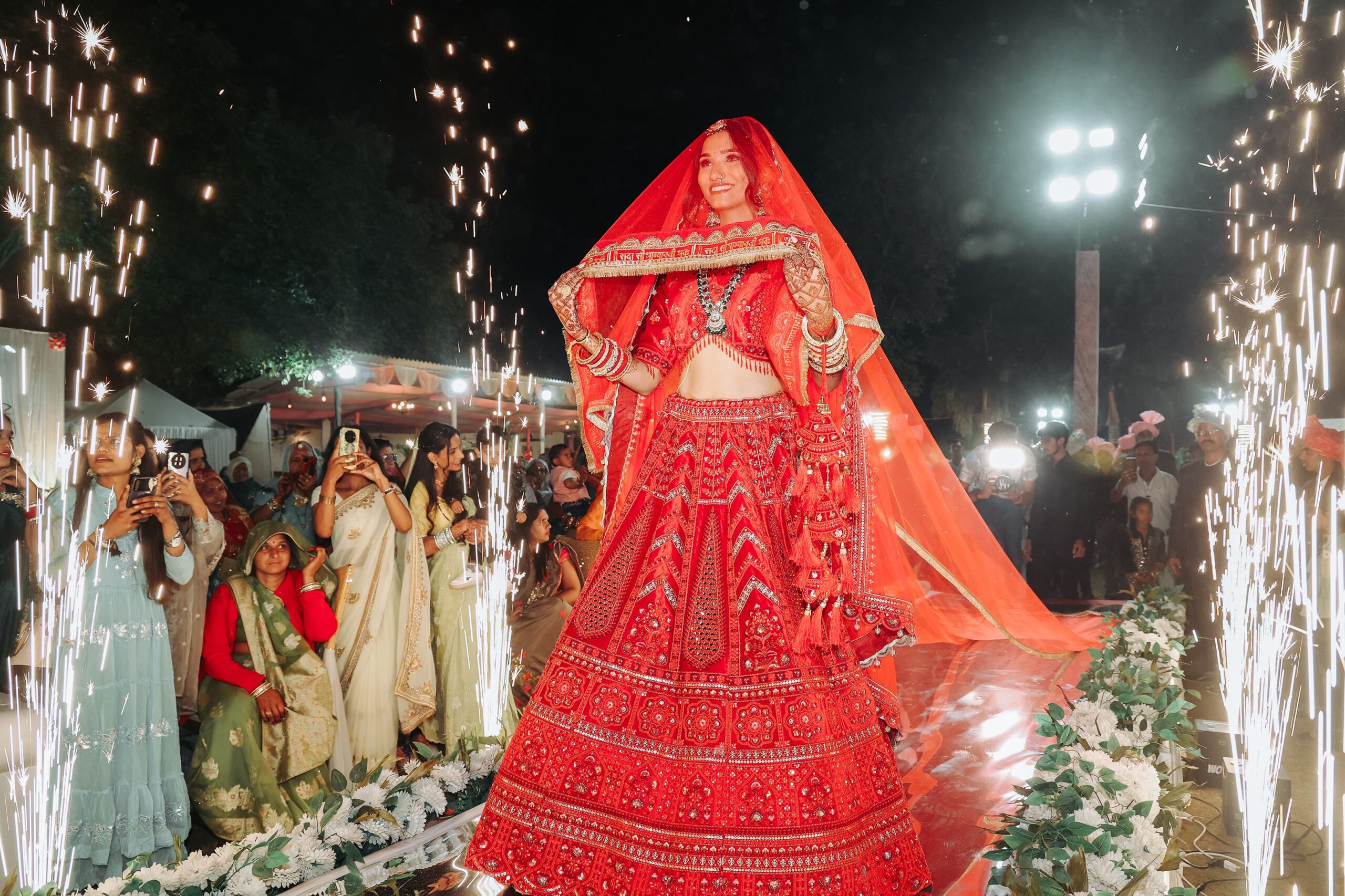
The meaning varies across communities. In many North Indian weddings, the ghoonghat is lowered over the bride’s face during the varmala or saat phere rituals. In Sikh weddings, the chunni plays a central role in the Anand Karaj. In Christian and fusion weddings, the long white-gown veil leads. Styling guides say Indian brides are rediscovering the cathedral veil for grand entrances, and note it suits Christian Indian weddings. One 2026 veil-trends guide notes a twist: many brides wear a long cathedral or chapel veil for the aisle, then bustle or detach it and switch to a short veil for the dance floor.
The Veil Takes the Lead
For years, the veil was simply what went with the lehenga. Now brides expects it to become much more than a functional accessory, with long, flowing designs, delicate embroidery, floral motifs and subtle borders. It’s also carrying stories.
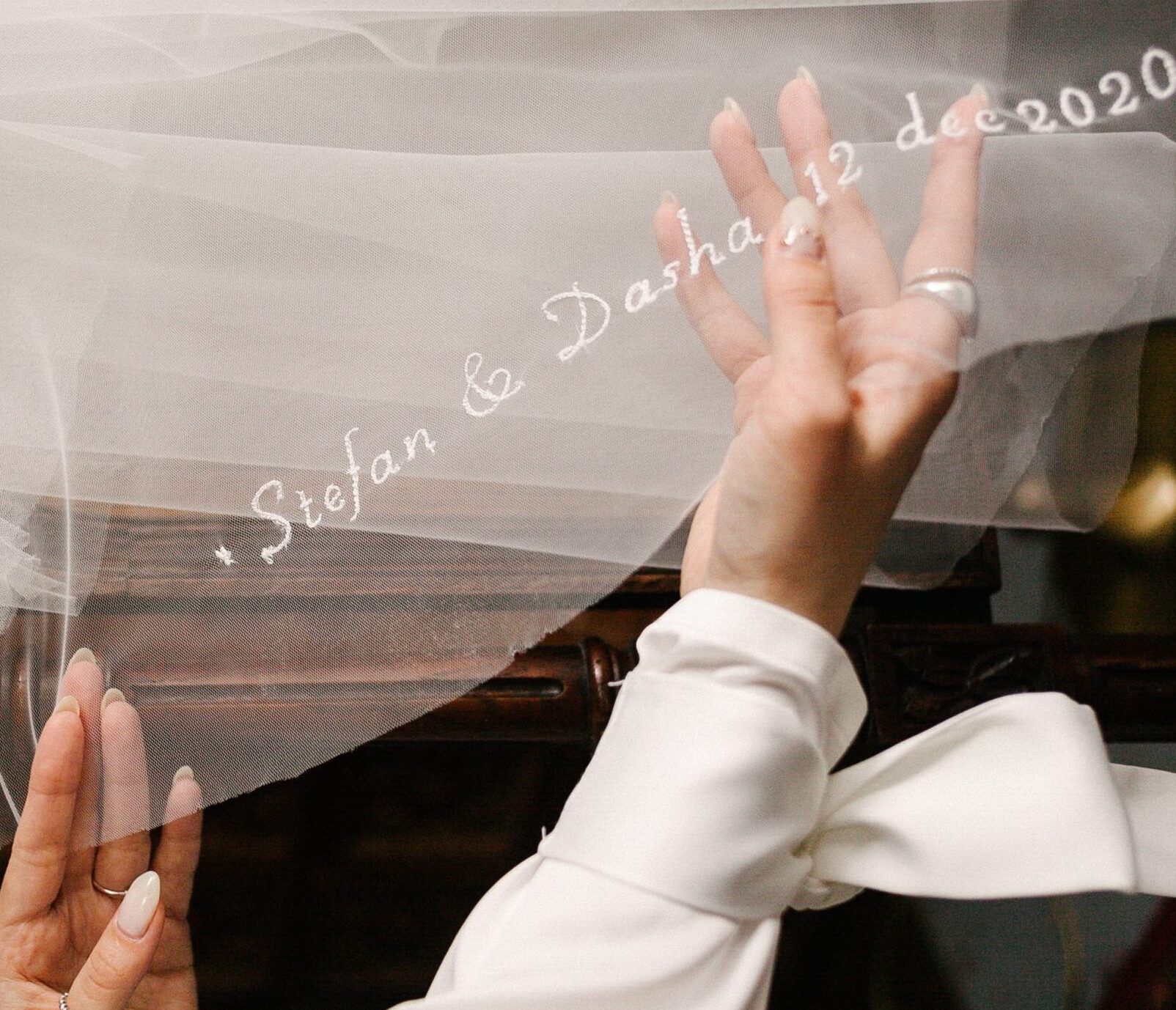
There is move from stiff tulle to softer silk-blend tulle that flows with the body, raw-cut edges instead of satin or lace trim, and a few scattered pearls instead of heavy beading. The biggest shift is personal. Veils are being embroidered with personal mantras, dates or symbols, and the names of the couple. Brides want initials or wedding dates stitched along the hem, trim colours matched to their palette, and adjustable lengths so one veil can be styled several ways.
When the Veil Blooms
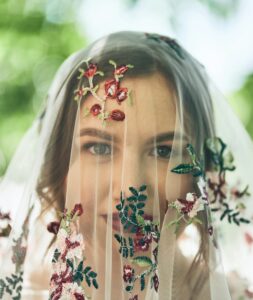
Florals are the most expressive version of the trend. Floral motifs are now worked into 3D appliqué, intricate embroidery and hand-painted designs. Small fabric flowers and hand-applied botanical details also catch the light beautifully in golden-hour portraits. The veil becomes a garden she carries.
Layers and Comfort
Grandeur has a weight, so comfort matters. Popular double dupatta styles include a cape-style dupatta with a traditional drape, or a second dupatta worn as a veil. Many lehengas now come with an attached cape in sheer organza or net. A sentimental detail is easy to add too: pin a vintage brooch where the veil rests on the shoulder, and try the veil during the hair trial so the stylist can secure it comfortably.
The lehenga will always matter. But the twirl is one moment, and the details are what a bride carries with her afterwards: a name in a hem, a flower from the day, a pin that belonged to someone she loves.
Follow Vows & Vacay on LinkedIn, Instagram & Facebook.