

A banquet hall buzzing with hundreds of guests, a stage crowded with relatives waiting for photographs, and a bride and groom moving from one greeting to the next. Contrast that with a terrace illuminated by fairy lights, a family home rearranged for the ceremony, and a gathering where conversations last longer than a few hurried seconds. Across urban India, couples are rethinking the scale of their weddings, placing greater emphasis on personal choices than on guest numbers.
For decades, the grandeur of an Indian wedding was measured by the size of its guest list, the scale of its venue and the number of people it brought together. The pandemic, however, prompted many families to reconsider these expectations. Restrictions on gatherings in 2020 and 2021 forced couples to organize smaller ceremonies, introducing them to an alternative that many continued to embrace after restrictions eased.
One of the biggest advantages was the freedom to be more present. At a wedding attended by hundreds, the couple can spend much of the day moving between photographs, greeting lines and scheduled rituals. Smaller gatherings allow more time for conversations and shared moments that might otherwise be lost in the rush.
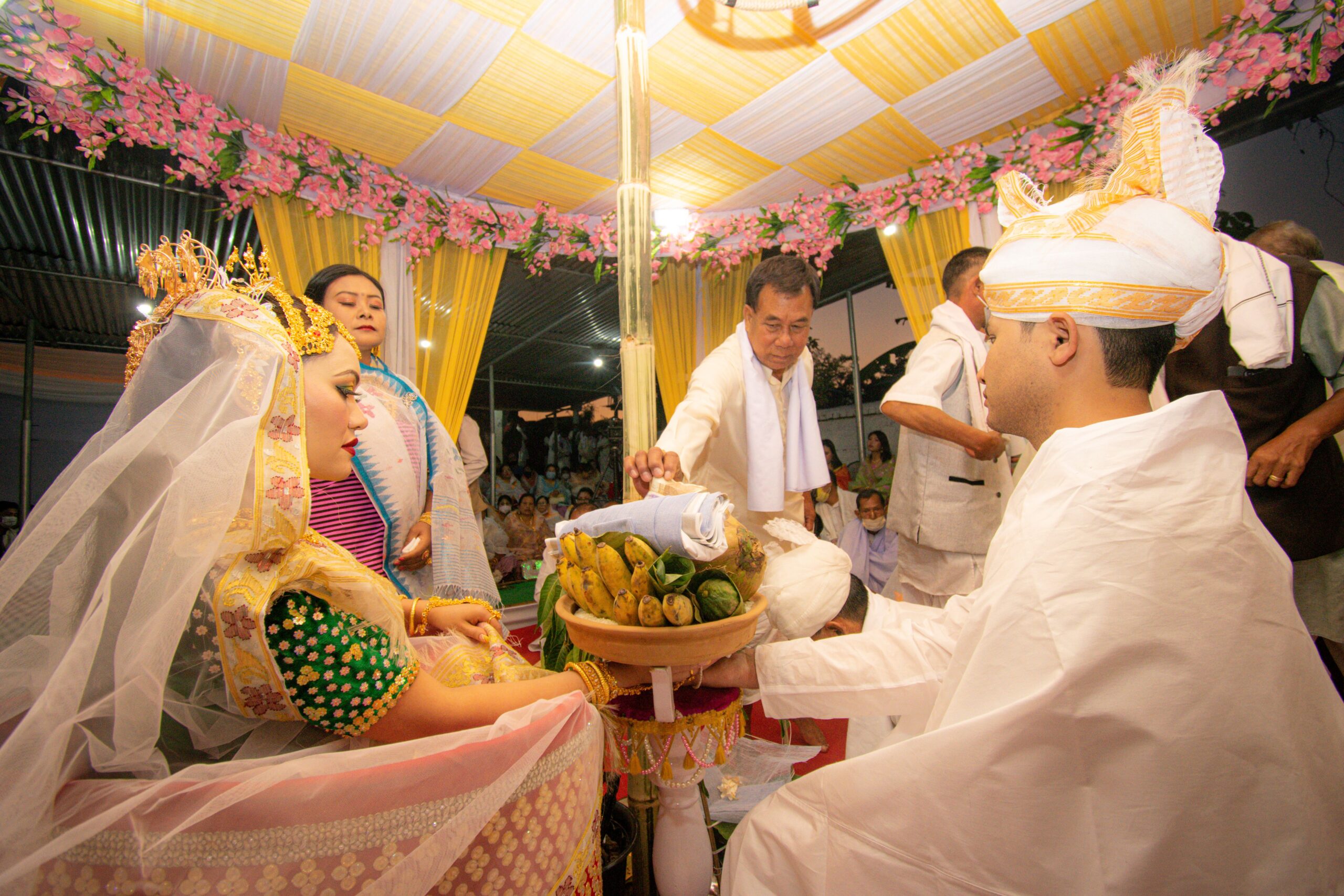
The change is also reshaping wedding venues. Family homes, garden courtyards, private terraces and boutique properties are emerging as alternatives to sprawling banquet halls. These settings allow couples to create celebrations around places that hold personal meaning, rather than choosing venues primarily for their capacity.
A smaller guest list can also change how a wedding budget is spent. Couples can direct greater attention towards décor, menus, hospitality and personalized experiences. Luxury, consequently, is acquiring a different definition. Rather than relying solely on spectacle and scale, it can be expressed through thoughtful details and carefully curated celebrations.
Yet smaller weddings are not always easy to organize in Indian families, where celebrations bring together generations, relatives and social circles. Excluding guests can be difficult, and grand weddings continue to hold cultural and emotional significance. Nor is intimacy defined by a fixed headcount; what feels small to one family may be substantial to another.
For wedding planners and vendors, the shift brings new demands. Smaller celebrations require precise coordination, particularly in unconventional venues where space and logistics can be challenging. Packages combining private ceremonies with larger receptions may also offer couples greater flexibility.
Large weddings are not disappearing; smaller celebrations are simply expanding the choices available. Ultimately, the shift is less about reducing the size of a wedding than moving away from a one-size-fits-all idea of celebration. Whether in a packed banquet hall or a family courtyard, couples are increasingly defining what their wedding should look and feel like on their own terms.