
 As wedding menus become increasingly global, featuring everything from sushi and dim sum to Mediterranean grills and artisanal desserts, one dish continues to command an unshakable place of pride — the biryani. Rich, aromatic and deeply celebratory, it remains a flavour that Indian weddings simply cannot do without.
At an Indian wedding, food is never merely part of the hospitality — it is often one of the most remembered elements of the celebration. Long after the flowers have been taken down and the music has faded, guests will still discuss the menu: the chaat that stole the show, the dessert counter that seemed endless, and invariably, the biryani that had everyone returning for another helping.
Over the years, wedding cuisine has undergone a remarkable transformation. Contemporary celebrations now offer elaborate culinary journeys spanning continents. Japanese sushi stations sit alongside Italian live counters, Thai curries compete with Middle Eastern mezze, and gourmet European dishes have become increasingly familiar at luxury weddings. Yet amid this exciting international spread, biryani has remained reassuringly constant.
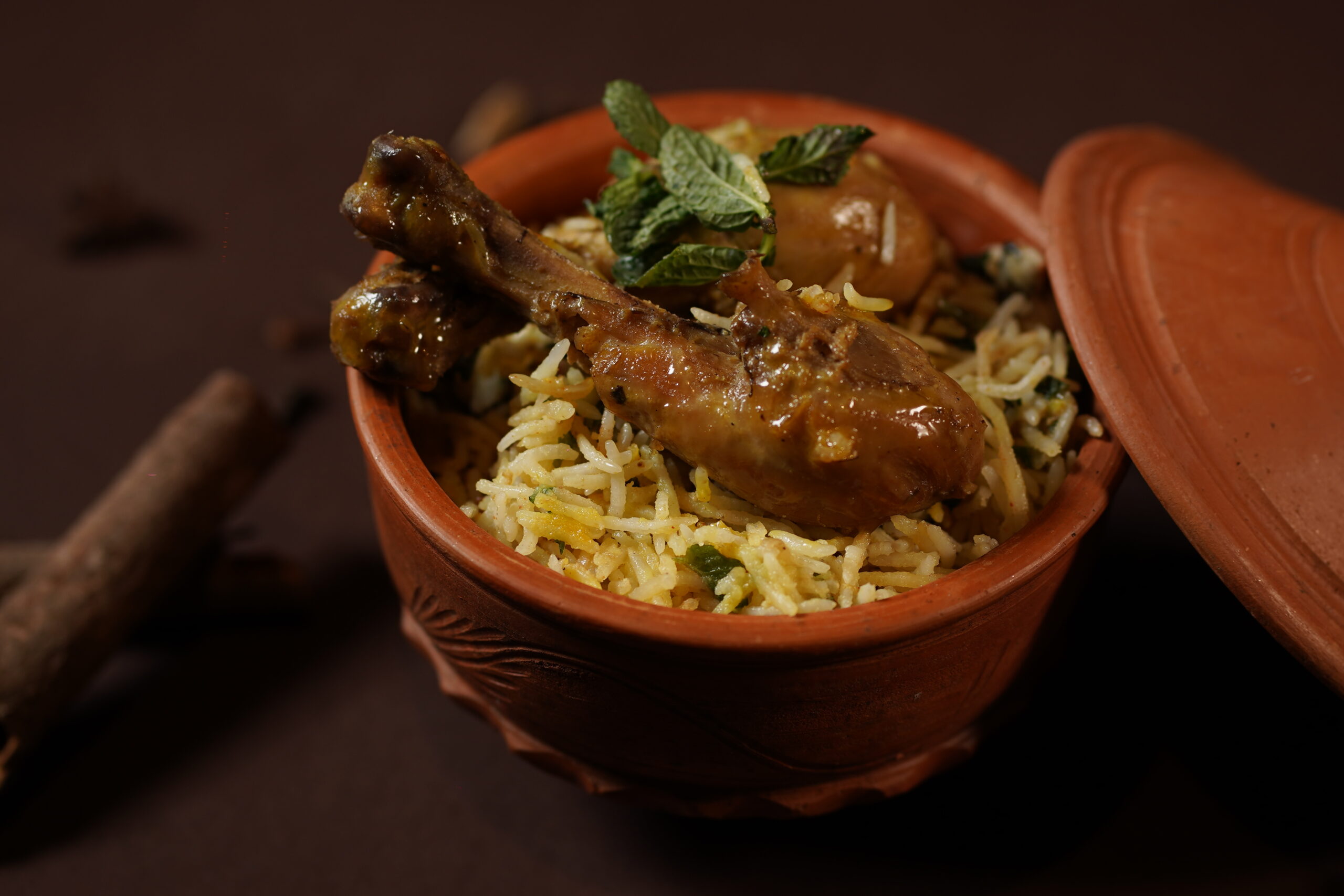
Perhaps its enduring appeal lies in its ability to feel both luxurious and familiar. Few dishes possess the theatre of a perfectly prepared biryani — the moment the sealed handi is opened, releasing fragrant clouds of saffron, cardamom, rose water and slow-cooked spices. Each grain of rice carries flavour, while the layers beneath reveal tender meat, vegetables or aromatic accompaniments. It is a dish that announces celebration even before it reaches the plate.
Indian weddings also allow biryani to showcase its remarkable regional diversity. A delicate Lucknowi biryani may appeal to those who enjoy subtle flavours, while the robust Hyderabadi version brings intensity and spice. Kolkata biryani, with its distinctive potato and gentle aromatics, has its own loyal following, while Awadhi, Malabar and traditional dum preparations add further character to wedding menus. Vegetarian biryanis, too, have moved far beyond being an alternative and are now thoughtfully crafted centrepieces in their own right.
Alongside biryani, several Mughlai favourites have retained an equally cherished presence. Rich kebabs, succulent tikkas, kormas, nihari, galouti kebabs and creamy gravies continue to sit comfortably beside modern international cuisine. Their richness, slow-cooked complexity and unmistakably festive character make them particularly suited to grand wedding celebrations.
The beauty of biryani is also its universality. It works equally well at an intimate mehendi lunch, an elegant sangeet dinner or a lavish wedding reception. It can be presented traditionally in ornate handis, elevated through tableside service, or reinvented as individual portions for contemporary celebrations. However sophisticated the presentation becomes, its soul remains unchanged.
For families planning wedding menus today, the challenge is often to balance novelty with nostalgia. Guests may be delighted by inventive global cuisine, but they also seek flavours that feel connected to home, tradition and celebration. Biryani effortlessly bridges those worlds.
Wedding food trends will continue to evolve, and new cuisines will undoubtedly find their way onto the Indian wedding table. But some classics are simply too deeply woven into the celebration to disappear.
And when the festivities are in full swing and the dinner counters open, chances are there will still be a fragrant handi of biryani waiting — timeless, comforting and forever irresistible.