
From sushi and dim sum to tacos and Thai curries, international cuisines are finding a place alongside traditional favorites’ at Indian weddings, giving caterers new ways to serve up an experience.
At an Indian wedding, the bride and groom may be the reason everyone has gathered, but the food is often what keeps the conversation going. One relative will praise the kebabs, another will quietly complain about the paneer, and someone will inevitably compare the buffet with the one at a cousin’s wedding last month. For families, the menu can feel almost as high-stakes as the ceremony itself.
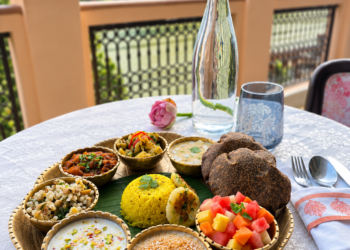
But today, the familiar spread of dal, paneer, chaat and jalebi is sharing space with sushi, pasta, tacos and Thai curries. As couples look to make their celebrations stand out, wedding menus are embracing global flavors, inventive fusion dishes and live counters that turn dining into an experience of its own.
From regional favorites to global flavors

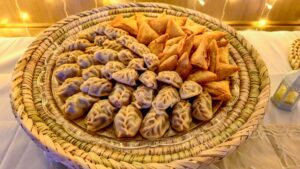
Caterers are seeing requests that span Italian, Thai, Mexican, Chinese, South Indian and North Indian cuisines. Asian and Italian food have become standard requests at many weddings, with pasta stations and stir-fry counters now familiar features. Demand is also growing for dim sum and Japanese cuisine, alongside Lebanese and Turkish dishes.
Japanese formats such as robata and ramen are making appearances at larger celebrations, too. For caterers, this growing appetite for international food creates opportunities to introduce specialized counters and expand their offerings beyond conventional wedding menus.
When different cuisines take center stage
International dishes are not necessarily replacing the traditional wedding spread. Instead, their place often depends on the occasion and the format of the meal.
The caterer says wedding-day menus typically feature four to five items each from regional cuisines such as North Indian, Gujarati and South Indian. Reception dinners, meanwhile, offer more room for international dishes, fusion food and live counters. Late-night menus have become another opportunity to experiment, with options ranging from Maggi bars and South Indian tiffin counters to butter chicken bao.
This approach allows caterers to retain familiar favorites while introducing dishes that make the spread feel different from the last wedding guests attended.
Global dishes, Indian twists


The growing interest in international cuisine has also encouraged chefs to adapt dishes to Indian tastes. Thai curry arancini, sushi rolls with gunpowder mayonnaise and burrata chaat with tamarind pearls bring together familiar flavors and global formats. Korean-Indian fusion is also emerging as a trend, according to the caterer.
Vegetarian options remain important, particularly at weddings where most guests prefer a meat-free menu. Chefs are responding with vegetarian sushi and other adaptations that allow guests to explore international cuisines without compromising on dietary preferences.
For caterers, the challenge is to make these combinations work on the plate rather than simply give familiar ingredients an unfamiliar name.
The appeal of the live counter
The way food is served is becoming as important as what is served. Live stations let guests watch chefs prepare dishes, customize their orders and interact with the people cooking their food. They also create gathering points where guests can mingle instead of moving through a conventional buffet line.
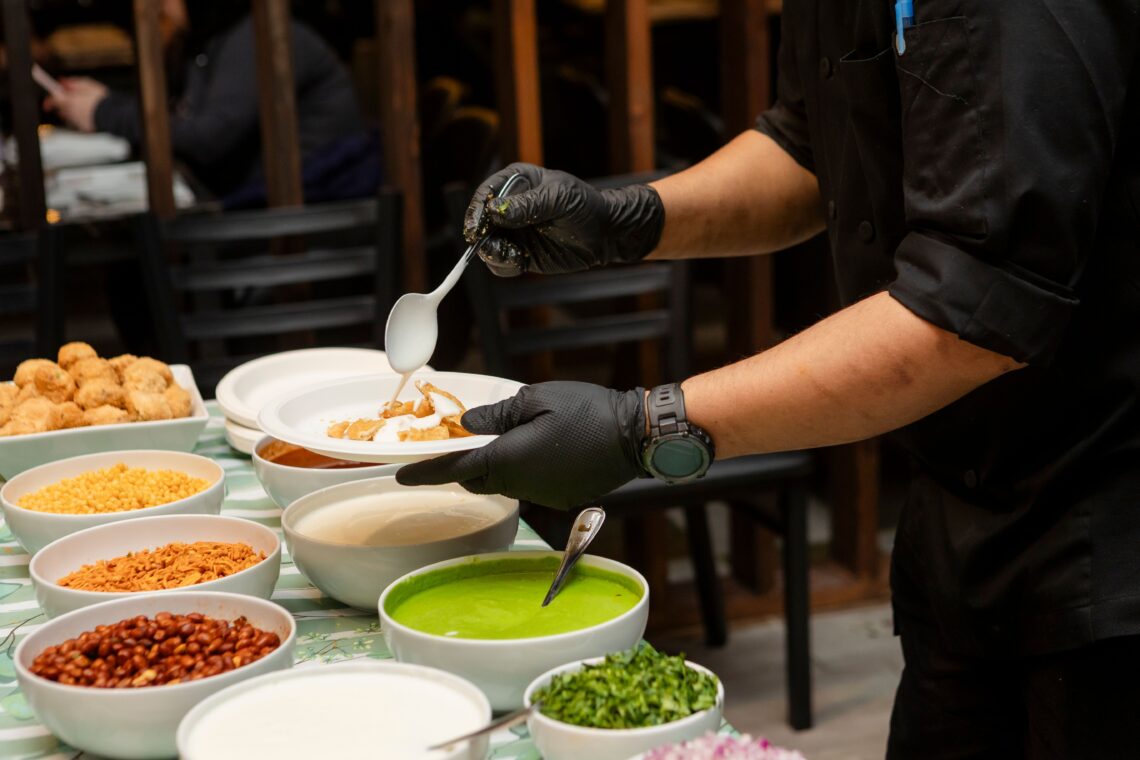 Younger couples, the caterer notes, increasingly ask for live counters rather than a traditional main-course service, particularly when they are hosting a single function. Social media adds another layer to this demand, with dishes that guests have already encountered online becoming part of the wedding experience.
For caterers, these counters offer a way to combine food with presentation and interaction. They also require careful planning around space, staffing and service speed, especially when several popular stations operate simultaneously.
What it costs to go global
The expanded menu comes at a price. One wedding catering cost guide estimates that a sushi or Japanese counter can add around Rs 400 to Rs 800 per plate, while pan-Asian, dim sum or teppanyaki counters may cost an additional Rs 300 to Rs 700. Actual rates vary by city, caterer, ingredients and the scale of the service.
For families working within a budget, the decision is often about where to spend. A few specialized counters may create more impact than offering a long list of international dishes, particularly when the rest of the menu already includes several regional cuisines.
These prices should be treated as indicative rather than standard rates, and caterers would need to provide current quotations for an accurate comparison.
Balancing novelty with familiar favorites
A wedding menu can offer cuisines from around the world and still leave guests disappointed if the selection feels overwhelming or poorly executed. A catering-industry guide recommends combining two cuisines thoughtfully rather than attempting to offer too many without sufficient attention to quality.
Vegetarian choices, clear ingredient labels and familiar Indian dishes remain essential. After all, not every guest will want to experiment with sushi or fusion food, and a wedding buffet has to cater to several generations at once.
For planners and caterers, the opportunity lies in finding the right balance between novelty and familiarity. International counters can bring variety and visual appeal, but the menu still needs to work as a whole, from the first appetizer to the last dessert.
The global influence on Indian wedding food is not replacing the traditional feast. It is adding new layers to it. The dal and paneer still have their place, but they now share the spotlight with ramen, tacos and inventive fusion dishes. And if the relatives have more to discuss on the drive home, the caterer may well have done something right.