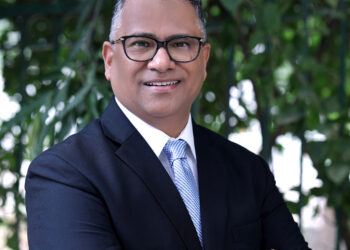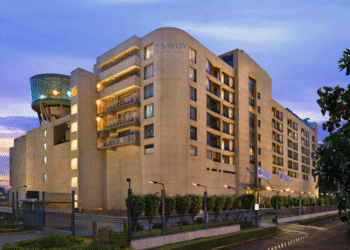

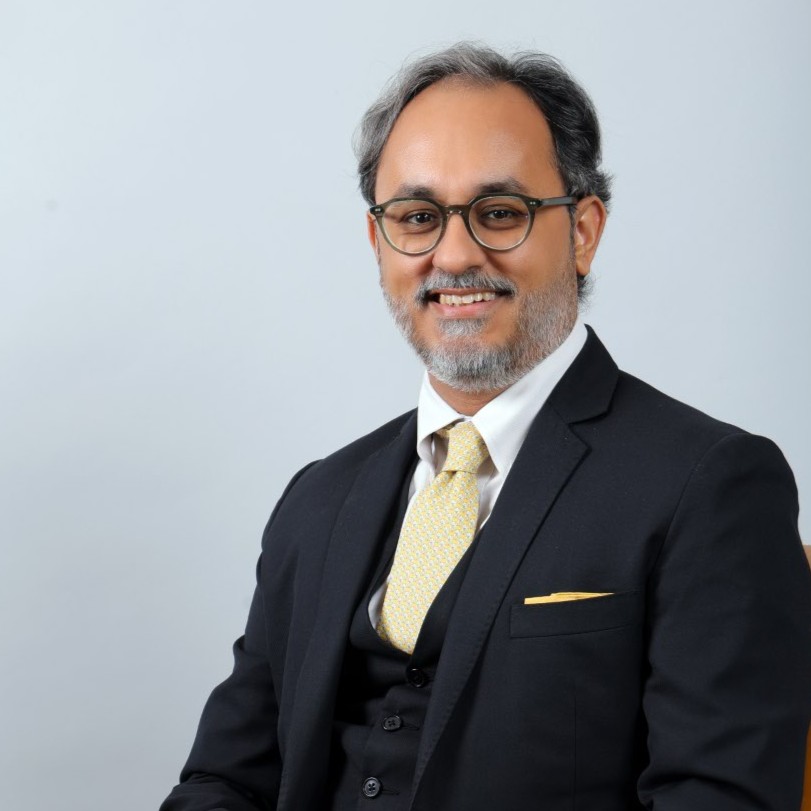
 Nikhil Sharma, Managing Director & Chief Operating Officer – South Asia, Radisson Hotel Group shares how the brand is responding to changing wedding preferences, emerging destinations and more immersive celebrations. He also looks at what will shape India’s luxury wedding market by 2030.
Priyanka Saxena Ray
Destination weddings in India are moving beyond the traditional luxury locations. Which emerging destinations could become the next Jaipur, Udaipur or Goa?
The next phase of growth will not be defined by a single “next Udaipur.” It will come from several distinctive destinations, each offering a different experience.
Kumbhalgarh and Khajuraho combine heritage, culture and exclusivity. Nashik and the Karjat–Khopoli–Lonavala belt offers scenic settings with convenient access from Mumbai and Pune. Uttarakhand has considerable potential for mountain, wellness and winter weddings, while Kochi and Kerala’s backwaters offer an attractive blend of landscape, cuisine and local culture.
A destination’s success, however, depends on more than its visual appeal. It needs a compelling identity, convenient connectivity, quality room inventory and a dependable ecosystem of planners, designers, entertainers and other partners. Destinations that bring these elements together will emerge as the next generation of wedding hubs.
What significant changes are you seeing in wedding preferences, and how are hotels responding?
The change is not simply towards smaller weddings; it is towards more intentional weddings. Couples want the celebration to reflect their personalities, family histories and cultural influences rather than follow a standard template.
This is changing how hotels approach every element of the occasion. Spaces must be flexible enough to create a different mood for each function. Menus are becoming more personal, incorporating regional flavours, family recipes, international influences and individual dietary preferences. Property buyouts, privacy and highly curated guest journeys are also becoming more important.
Service must be equally personalised. Families increasingly expect one coordinated team to manage accommodation, transportation, food, vendors and the flow of events. At Radisson, this thinking is central to The Art of Weddings—creating celebrations that are culturally attuned and individually designed, rather than simply offering a venue and a package.
How do you see the concept of a “wedding weekend” evolving?
The wedding weekend is evolving into a curated destination festival. The main ceremony will remain its emotional centre, but the overall experience may include an arrival ritual, wellness mornings, local excursions, regional dining, cultural performances, sundowners, after-parties and a relaxed farewell.
Importantly, a well-designed wedding weekend should also leave guests with time to enjoy the destination. It should not feel like a continuous sequence of compulsory events.
This changes the role of the hotel. We are no longer simply hosting functions; we are curating the complete destination experience by bringing together local chefs, artisans, musicians, wellness practitioners and guides. The most memorable wedding weekends will be those where guests leave with a strong sense of both the celebration and the destination.
What can India do to strengthen its position as a leading global destination wedding market?
India has an advantage that is extremely difficult to replicate: an extraordinary combination of heritage, landscapes, cuisine, craftsmanship, traditions and hospitality. Our opportunity is to package this distinctiveness with international-grade ease and predictability.
This requires stronger air and last-mile connectivity, simpler coordination for visas and event permissions, consistent service standards and destination-level partnerships between governments, hotels, airlines, planners and local suppliers. International families also need transparent information and a seamless planning process from the initial enquiry through to departure.
India should market itself globally not as one wedding destination, but as many different wedding experiences—palaces, beaches, mountains, forests, vineyards, spiritual locations and contemporary urban celebrations. India does not need to imitate an international destination; it needs to make its own distinctiveness easier for the world to access.
What will define the luxury wedding business for hotels by 2030?
By 2030, luxury will be defined by personal relevance and flawless execution rather than scale alone. We will continue to see grand, multi-generational celebrations alongside intimate, high-spend experiential weddings. Both will be larger in imagination, though not necessarily in guest count.
Technology will become the invisible operating layer—supporting room allocation, transportation, itineraries, dietary preferences and real-time guest communication. However, human warmth, empathy and cultural understanding will remain the visible differentiators.
Sustainability will also move from being an optional feature to an expected standard through local sourcing, reusable design elements, responsible food planning and stronger participation from local communities.
Hotels will ultimately evolve from wedding venues into integrated celebration platforms. The winning model will be technology-enabled behind the scenes, highly personalised in its design and deeply human at every guest touchpoint.